How Contexro Runs Objection Handling in Lending Call Centers
Table of contents
Lending call centers improve objection handling when every rate and trust concern enters the same loop: classify it, assess the response, record the resolution, and assign coaching. Another script or acronym cannot show leaders whether the rep diagnosed the real barrier or whether the caller's concern remained open.
This objection handling framework turns individual call moments into floor-wide operating data.
Why lending objection handling cannot live in a script binder
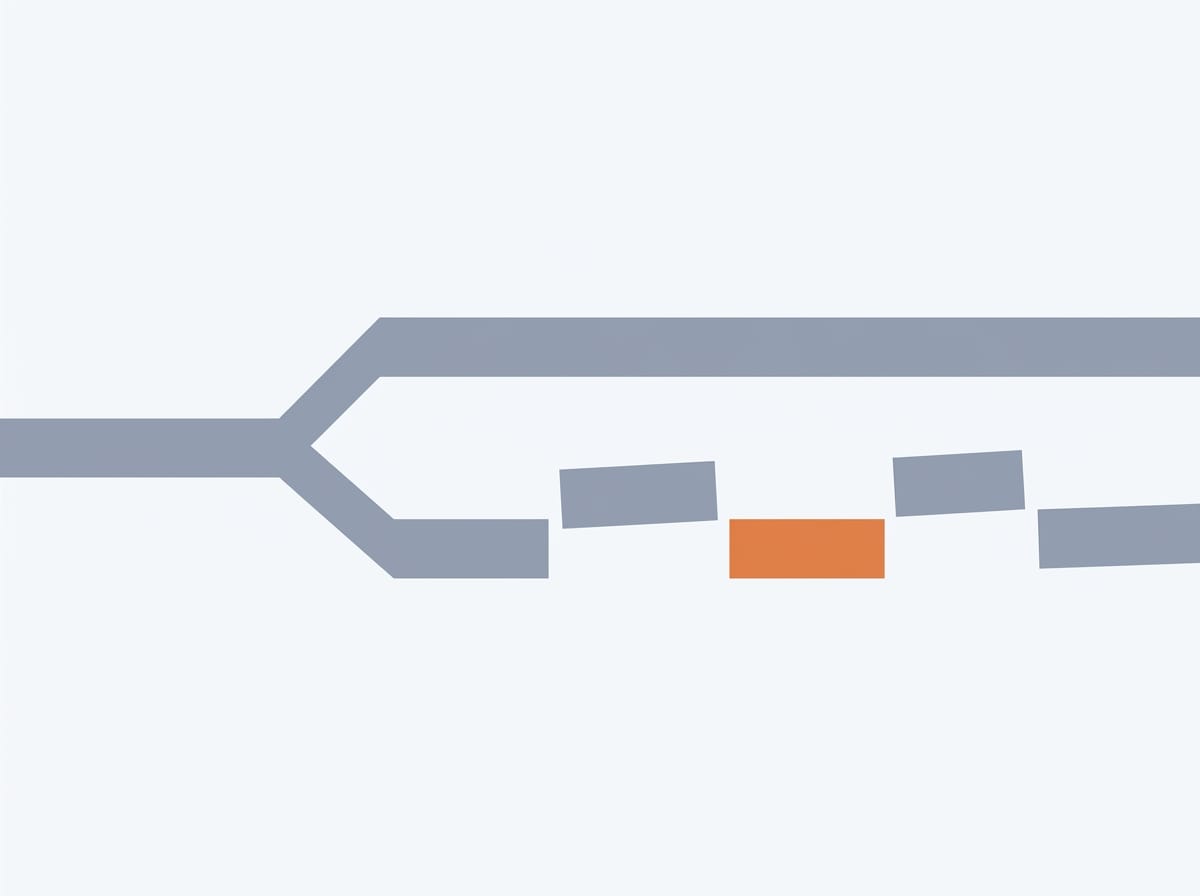
Consider two illustrative calls. One caller says, 'Your rate is too high,' then cites another lender. A second caller uses the same words, then asks whether fees could change and whether the promised next step will happen.
The first call contains a price and competition concern. The second may involve price, clarity, process, or trust. Repeating the same rebuttal on both calls would hide the difference.
Trust concerns are often indirect. A caller may question whether the company is legitimate, hesitate to provide personal information, challenge a fee, or ask several times what happens after the application. Managers need the surrounding language and the point in the call where the resistance appeared.
That creates four operational questions: Which objection occurred? How did the rep respond? Did the concern get resolved? What coaching should happen next?
The framework here covers conversation handling and coaching. It does not authorize product terms, make underwriting decisions, or replace approved compliance guidance. Each institution must document what reps may explain, what requires prescribed language, and what must be escalated.
1. Define a lending objection taxonomy managers can use
Start with a small set of stable categories: price, trust, timing, competition, and feature. Managers should be able to apply each category consistently without guessing what the caller meant from a single keyword.
| Category | Operational definition | Representative caller language | Exclude when |
|---|---|---|---|
| Price | The caller expresses resistance tied to rate, payment, fee, total cost, or affordability. | 'The rate is higher than I expected.' 'That payment will not fit my budget.' 'Why is this fee so high?' | The caller is only requesting information, such as 'What rate is available?' |
| Trust | The caller doubts legitimacy, privacy, fairness, process, or whether a promised action will happen. | 'How do I know this is legitimate?' 'I do not want to share that information.' 'Will someone actually call me back?' | The caller asks a neutral process question without expressing doubt or reluctance. |
| Timing | The caller is reluctant to continue because of readiness, documents, another event, or the proposed schedule. | 'I am not ready to apply yet.' 'I need to wait until next month.' 'I cannot get those documents today.' | The underlying barrier is affordability or distrust rather than timing. |
| Competition | The caller compares the offer, experience, or process with another lender or financial provider. | 'Another lender quoted a lower rate.' 'My bank said it could close sooner.' 'I am comparing a few offers.' | No alternative provider or competing offer is part of the resistance. |
| Feature | The caller needs a product characteristic or process option and may stop if it is unavailable. | 'I need a fixed payment.' 'I want to manage this online.' 'That option does not work for me.' | The caller is merely asking whether an option exists and has not expressed a barrier. |
These phrases are classification examples, not approved rep language. Replace them with anonymized examples from your own calls and use the institution's approved product terminology.
Treat rate, payment, fee, and affordability as documented subcategories under price unless your call-analysis setup has a separately verified label. A reporting category that managers cannot define or the system cannot reproduce creates false precision.
Do not classify by keyword alone. 'What is the rate?' is a question. 'That rate makes me unwilling to continue' is an objection because the caller has stated a barrier.
Context matters too. Record whether the objection arose during an early inquiry, an application discussion, or a follow-up. A privacy concern before information collection calls for different coaching than a trust concern after a missed next step.
Test the taxonomy before using it for performance management. Give managers the same anonymized call sample, compare their classifications, and tighten the definitions wherever they disagree. Confirm the final terms with quality, coaching, legal, and compliance owners.
2. Establish the response standard
Useful objection handling methods create observable behavior. For lending calls, use a four-step sequence: acknowledge, diagnose, respond, and confirm.
- Acknowledge the concern. The rep recognizes what the caller said without minimizing it or rushing to defend the offer. A rate objection should not trigger an immediate speech about competitiveness before the rep understands the concern.
- Diagnose the barrier. The rep asks an approved, open question to determine whether the issue is monthly affordability, total cost, another offer, unclear terms, timing, or trust. For example, the rep may need to establish whether 'too high' refers to the payment or a comparison with another lender. Any customer-facing wording should pass the institution's approval process.
- Respond within approved boundaries. The rep provides accurate, approved information and explains the permitted next step. Questions outside the rep's remit follow the documented escalation path rather than attracting an improvised answer.
- Confirm what changed. The rep checks whether the explanation addressed the concern, records what remains open, and states the agreed next action. Silence or a polite 'okay' should not automatically count as resolution.
Roleplays still have a place. Use them to practice the sequence, then assess live calls against the behavior that occurred rather than whether the rep repeated a preferred script word for word.
For the wider connection between typed objections and deal risk, use Objection Handling in Sales: How Contexro Finds Deal Risk.
3. Score handling quality separately from resolution

One score cannot answer two different questions.
| Signal | Question it answers | Evidence to review |
|---|---|---|
| Handling quality | Did the rep listen, diagnose the barrier, communicate clearly, handle the objection appropriately, and execute the permitted next step? | The rep's language, interruptions, questions, explanation, escalation choice, and confirmation behavior. |
| Resolution status | What does the conversation show happened to the caller's concern? | A defined status such as resolved, open, deferred, or follow-up required, supported by what the caller said and the agreed next action. |
A polished response can leave the objection unresolved. A positive next step can also hide poor listening or an inaccurate explanation. Combining those signals causes managers to coach the wrong behavior.
A rep might acknowledge a price concern, ask whether the issue is the monthly payment, and provide an approved explanation. If the caller then says, 'I still cannot tell what this will cost me,' the response sequence may have been sound while the concern remains open.
The reverse happens too. A caller may agree to continue even after a confusing explanation or repeated interruptions. Forward movement does not excuse weak handling.
Managers need timestamped evidence for both judgments. They should be able to open the objection moment, hear the response, and inspect the caller's next statement instead of trusting a summary alone.
Build behavior-level definitions for communication, listening, objection handling, and commercial execution. Define each permitted resolution status before measurement begins, then have managers score the same sample calls independently and compare their reasoning. Record rubric changes so later comparisons use the correct version.
A single average will conceal the exact behavior that needs work. Your sales call scorecard is averaging away the thing you need to see covers the scorecard-design problem in more detail.
4. Run a weekly call-center operating loop
Name one manager responsible for the review, set a fixed cadence, and document where recurring messaging or process concerns go for escalation. Without ownership, even accurate analysis becomes another unread transcript.
- Capture the call-level evidence. For each detected objection, retain its type, call stage, handling-quality assessment, resolution status, and timestamped moment. Review exceptions rather than relying on a summary with no supporting audio.
- Examine distributions. Compare patterns by rep, period, objection type, and branch where your reporting setup supports it. A high volume of trust objections after next-step explanations points to a different problem than rate objections concentrated during early inquiries.
- Use rep benchmarks carefully. If the same handling gap appears across most reps, investigate approved messaging, process, and training. If it is concentrated among specific reps, assign focused coaching using their own call moments.
- Mine phrases from strong calls. Look for explanations and diagnostic questions associated with sound handling and clear resolution. Legal, compliance, and quality owners should approve customer-facing language before it enters an objection-handling library.
- Assign and verify coaching. Turn selected call moments into tasks with an owner and due date. On later calls, check whether the rep used the target behavior and whether the relevant objection remained open, was deferred, required follow-up, or was resolved.
- Reinforce after the call. Automated post-call tips can remind reps about a missed diagnostic question or confirmation step while the conversation is still fresh. Manager review and approved coaching standards remain in control.
Establish a baseline before interpreting performance changes. Keep the taxonomy and scoring rules stable during the comparison period, and record any revisions that would affect the result.
Objections also need a defined place in the wider conversation. What Are the 7 Steps of a Sales Call? Make Discovery Measurable explains how to connect discovery, checkpoints, and next steps across the call flow.
What this looks like in Contexro
Contexro analyzes every tracked call and identifies typed objections for price, competition, feature, timing, and trust. For lending reporting, treat rate-related language as a price subcategory or local analysis convention, then verify that mapping against sample calls. Do not present rate as a distinct prebuilt objection type.
Managers can open speaker-labeled, timestamped transcripts with confidence scores and jump from a linked key moment to the recording. That makes the evidence behind an objection assessment auditable without scrubbing the full call.
Contexro's multi-dimension rubric evaluates communication, listening, objection handling, and commercial execution with AI reasoning for each score. Typed objections also carry handling quality and resolution status, while an independent outcome metric assesses resolution effectiveness separately from how polished the rep sounded.
Team patterns appear through score distributions, heatmaps, rep benchmark comparisons, and manager-scoped daily or weekly digests. Leaders can see whether a trust-handling weakness is broad or concentrated before assigning coaching.
Phrase mining in Contexro supports an objection-handling library. Once approved language and coaching moments are selected, assigned actions can become Work Items with owners, due dates, priorities, comments, and board or list views. Digest emails surface overdue and due-today Work Items so follow-through does not die in a transcript.
After every call, reps receive 2-3 specific post-call tips in their dashboard and by email within minutes, subject to rep quiet hours. Those tips reinforce the manager-approved rubric between formal coaching sessions and replace quarterly coaching roulette with call-level feedback.
What to do next
Start with price and trust. Define the categories, approve the response boundaries, choose the resolution statuses, and calibrate managers on the same anonymized calls before using the results as a performance measure.
Then run the loop weekly. Review the pattern, assign the coaching action, and verify the behavior on later calls.
See how Contexro can surface price and trust objections, show the call moments behind each score, and give managers a repeatable coaching workflow across every tracked call.